Sustainable chalets, Malalcahuello, Chile
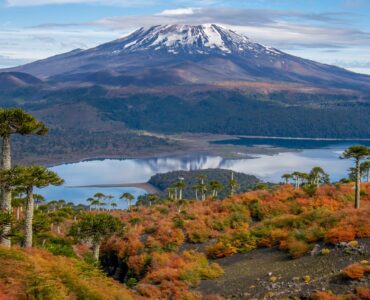
In the ninth region of Chile at the foot of the Andes mountain range, one can find the small rural town of Malalcahuello (which means horse coral in Mapudungun, the indigenous language).
It is near Conguillio National Park and just minutes drive to Corralco ski centre.
In this place a variety of hotels, hostels and holiday cabins have been built, unfortunately however, not many of them have built thinking about sustainability and their carbon footprint. The truth is that building sustainably in Chile is not so easy due to a number of reasons, not least being the antiquated building and sanitary regulations and the grindingly slow bureacracy.
To manage a sustainable building project in changeable climates such as the Andes mountains, one has to be prepared for everything, from deep snow, driving rain and 120km/hour wind, to hot and dry periods. Building holiday chalets or cabins excludes some ideas of construction such as straw bale or mud brick, due to the need to quickly heat the cabin and maintain it warm for just short, intermittent periods. In Malalcahuello, the Hotel Corralco has reached a reasonable level of sustainability due to it´s re-use of energy, product of not being able to connect to the electricity grid. Some of the houses also make do with solar panels to provide them with electricity becuase there is no connection to the grid where they are located.
Unfortunately, there are few incentives in Chile for individuals or small businesses to invest in renewable energy. The government has provided funding for some specific business sectors and low-income/marginalised groups but will need to do more if Chile is to do its part in reducing global warming by less than 2% pre-industrial levels by 2050.
The return on investment in holiday cabin accommodation in Malalcahuello is another disincentive to implementing a sustainable building project.
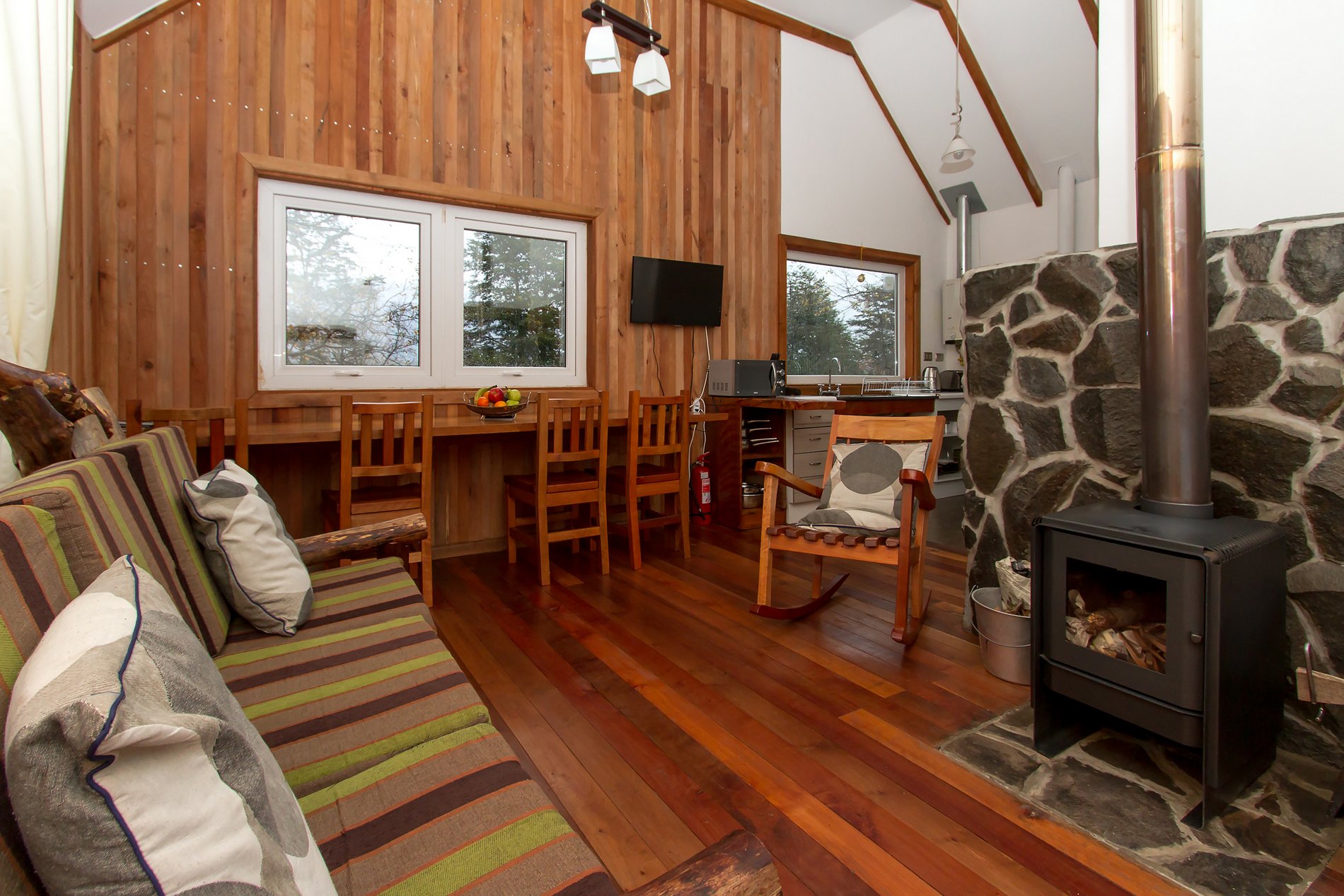
An interesting example of sustainable chalets can be seen at Chile Wild – Las Vertientes ,where the owners are striving to reduce their carbon footprint through various measures such as attention to insulation, a recycled wastewater system and the purchase of endangered Monkey Puzzle forest as a carbon offset, conservation property. Their aim is to eventually be able to produce their own energy and disconnect from the grid.